
How UK Farmers Are Innovating to Combat Climate Change Challenges
Climate change is one of the most pressing issues facing the agricultural sector today. In the UK, farmers are experiencing the effects of changing weather patterns, increased flooding, and prolonged droughts. According to the UK Climate Change Risk Assessment, the agricultural sector is highly vulnerable, with projections suggesting that by 2050, the growing season could increase by up to 20%. This means that farmers must adapt their practices to ensure sustainability and productivity. This blog post explores how UK farmers are innovating to combat the challenges posed by climate change.
Understanding the Impact of Climate Change on UK Agriculture
The UK’s agricultural landscape is diverse, ranging from arable farming in the East to livestock farming in the West. Climate change is threatening this diversity. Rising temperatures have increased the average annual temperature by about 1.4°C since 1884, influencing crop yields and livestock health significantly.
Farmers are witnessing shifts in growing seasons, with some crops maturing up to two weeks earlier than usual, impacting traditional planting schedules. For example, sugar beet farmers report challenges as the crop is now more susceptible to diseases that thrive in warmer conditions. Additionally, the prevalence of pests has risen by 15% in some regions, further complicating farming practices.
Innovative Farming Techniques
To combat these challenges, UK farmers are adopting innovative farming techniques. Precision agriculture is one method that helps farmers optimize field management. This approach employs GPS, sensors, and data analytics to monitor crop health and soil conditions continuously.
By utilizing precision agriculture, farmers can reduce water, fertilizer, and pesticide usage by up to 30%. This not only conserves resources but also enhances crop yields significantly. For instance, a study from the University of Reading found that farms utilizing precision techniques saw yield increases of about 10-12%, proving that efficiency can lead to sustainability.
Crop Diversification
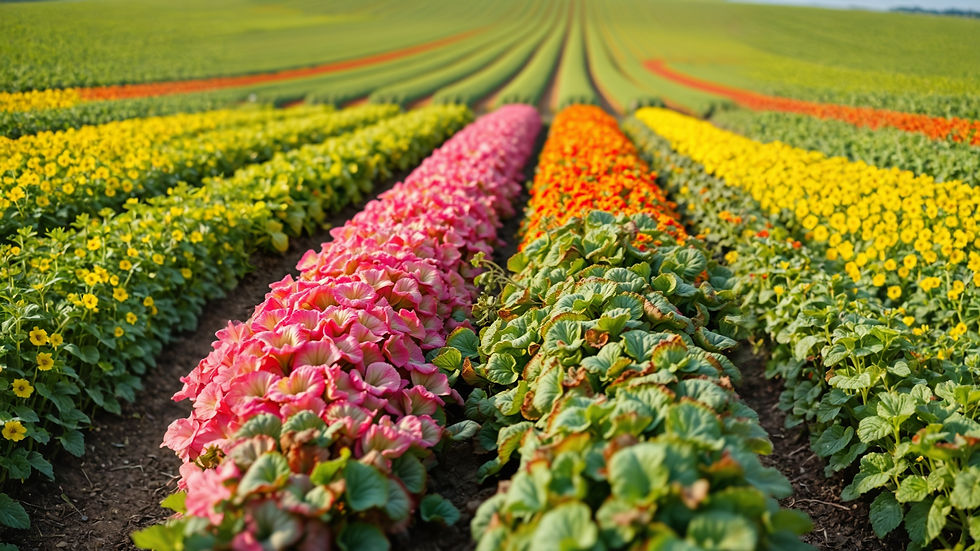
Another strategy becoming popular among UK farmers is crop diversification. By growing a variety of crops, they can lessen the risks tied to climate change impacts. For instance, farmers might cultivate barley, legumes, and oilseed rape, ensuring that even if one crop fails due to adverse weather, others can thrive.
This practice also enhances soil health and biodiversity. Varied crops can improve soil structure and prevent nutrient depletion. Research indicates that crop diversification can improve soil organic matter by up to 20%, leading to richer ecosystems that benefit all aspects of farming.
Water Management Strategies
Water scarcity is a growing concern for UK farmers, especially with shifting rainfall patterns. Many are implementing advanced water management strategies to combat this. These include rainwater harvesting systems, which can reduce mains water use by up to 50%, and drip irrigation, which has been shown to save up to 60% more water compared to traditional watering methods.
Soil moisture sensors allow farmers to monitor moisture levels in real time, which increases irrigation efficiency, reducing waste and ensuring that crops receive optimal water levels. This proactive approach has proven vital in maintaining productivity even during dry spells.

Sustainable Livestock Farming
Livestock farming is also evolving in response to climate change. Farmers are exploring sustainable practices that can lower greenhouse gas emissions while improving animal welfare. For example, rotational grazing allows livestock to graze on different pastures, which promotes healthier grasslands and reduces soil erosion.
Innovations in feed alternatives, such as seaweed-based supplements, have shown promise in reducing methane emissions from cattle by as much as 80%. These practices not only support climate change mitigation but also contribute to maintaining productivity and animal health.
Agroforestry: A Holistic Approach
Agroforestry is becoming an increasingly popular method that integrates trees and shrubs into farming landscapes. This practice has multiple benefits, including improved biodiversity, enhanced soil health, and a notable increase in carbon sequestration.
When farmers plant trees alongside crops or pastures, they can create microclimates that shield against temperature extremes. Research indicates that agroforestry can boost crop yields by 10-15% due to improved soil health and moisture retention benefits that trees provide.
Community and Knowledge Sharing
Collaboration and knowledge sharing are essential for farmers facing climate change challenges. Many farmers are joining local cooperatives and networks to share innovative practices and resources. These communities create platforms for farmers to learn from each other and improve their resilience.
Workshops, field days, and online forums are instrumental in helping farmers stay informed about the latest research. For example, farmers participating in collaborative projects have reported a 25% increase in productivity due to shared strategies and techniques, highlighting the importance of collective knowledge.
Government Support and Policy Initiatives
The UK government plays a vital role in supporting farmers in their adaptation efforts. Various initiatives and funding programs encourage sustainable agricultural practices. The Environmental Land Management scheme, for example, rewards farmers for implementing environmentally friendly practices that protect against climate change.
Additionally, increased funding for research and development projects is supporting innovations in agriculture. Projects aimed at creating drought-resistant crop varieties could potentially save farmers 35% on irrigation costs, reinforcing their ability to withstand climate challenges.
The Role of Technology in Agriculture
Technology is revolutionizing agriculture, offering farmers tools to combat climate change effectively. Drones, for instance, are being used to monitor crop health from above, allowing farmers to identify issues early and take action quickly.
Moreover, mobile apps provide farmers with access to real-time weather data and market information. This easy access to information helps farmers make informed decisions that improve their resilience against climate impacts. Reports show a 20% increase in yield from farmers who employ technology regularly, emphasizing its importance in modern farming.
A Path Forward for Agriculture
As climate change continues to pose significant challenges to UK farmers, innovation and adaptation are essential for a sustainable future. Techniques such as precision farming, crop diversification, and sustainable livestock practices are all proving successful. By leveraging new technologies, collaborating with peers, and utilizing government support, UK farmers can directly address the impacts of climate change.
The commitment to these innovative strategies will be crucial in ensuring the health of the environment and the agricultural sector as the climate continues to change. With resilience and adaptability at the forefront, UK farmers are planting the seeds for a sustainable agricultural future amidst uncertainty.


Comments