
The Importance of Diversification for Sustainable UK Farming Practices
Farming in the UK has always been a cornerstone of the economy and a vital part of the rural landscape. However, as the agricultural sector faces increasing challenges from climate change, market fluctuations, and changing consumer preferences, the need for sustainable practices has never been more pressing. One of the most effective strategies for achieving sustainability in farming is diversification. This blog post explores the value of diversification in UK farming, highlighting its benefits, challenges, and practical applications.
Understanding Diversification in Farming
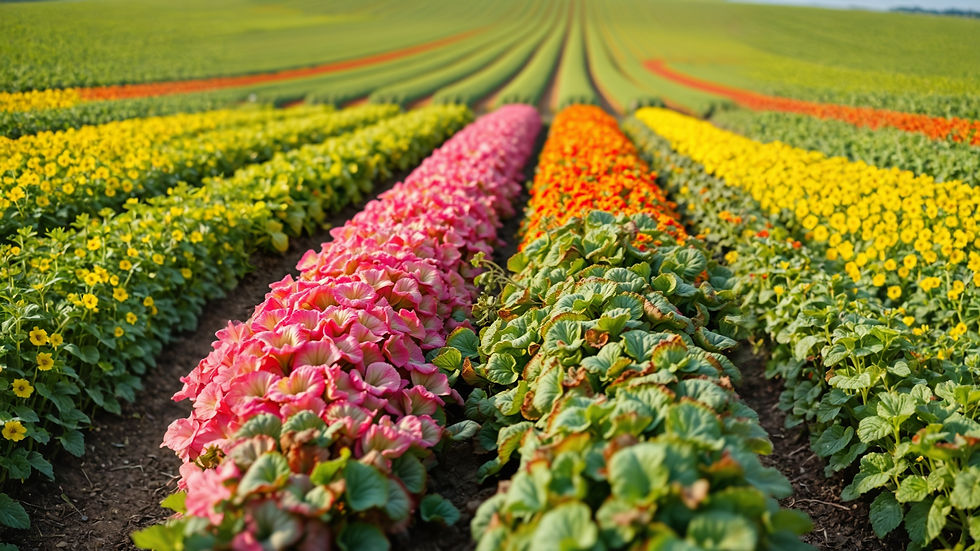
Diversification in farming refers to the practice of expanding the range of products and services offered by a farm. This can include growing a variety of crops, raising different types of livestock, or even branching out into agritourism or renewable energy. The primary goal of diversification is to reduce risk and increase resilience against market and environmental uncertainties.
Farmers have historically adapted their practices to cope with changing conditions. For example, farmers in the 1970s diversified beyond traditional cereal crops, introducing oilseed rape and sugar beet to respond to market demand. However, today's unique challenges, such as unpredictable weather and fluctuating commodity prices, necessitate this diversified approach even more.
Benefits of Diversification
Risk Management
One of the most significant advantages of diversification is its ability to mitigate risk. By spreading investments across various crops or livestock, farmers can protect themselves from the volatility of any single market. For instance, a farmer growing wheat and potatoes might face a poor wheat yield due to heavy rainfall while still enjoying a bountiful potato harvest, ensuring more stable income throughout the year.
Research indicates that diversified farms have found a 20% reduction in income uncertainty compared to single-crop operations. This difference highlights the importance of a balanced portfolio in farming.
Enhanced Soil Health
Diversifying crop types can lead to improved soil health. Different plants have varying nutrient requirements and root structures, which can enhance soil structure and fertility. Crop rotation is a powerful example; a study from the University of Reading shows that rotating legumes with cereals can enhance nitrogen levels in the soil by 30%. This reduces the need for chemical fertilizers and promotes sustainable practices.
Increased Revenue Streams
Diversification can open up new revenue streams for farmers. Consider the example of a traditional arable farm that adds organic vegetables or free-range poultry. This transition can increase potential income significantly, with organic produce fetching up to 30% higher prices compared to conventional options. Additionally, farmers tap into niche markets, catering to health-conscious consumers willing to pay more.
Environmental Benefits
A diversified farm contributes positively to the environment. Incorporating various plants and animals promotes biodiversity, essential for ecosystem health. For instance, farms practicing agroforestry—which combines trees with crops—can increase carbon sequestration by up to 15% and also improve resilience to climate change.
Challenges of Diversification
Initial Investment
While diversification offers numerous benefits, it often requires significant initial investment. Farmers may need to purchase new equipment, seeds, or livestock—an estimated cost that can range anywhere from £5,000 to £30,000 depending on the scale of the new venture. This can be a barrier, especially for smaller operations.
Knowledge and Skills
Diversifying a farm's operations may require new skills and knowledge. Farmers must be willing to learn about different crops, livestock management, or business practices related to new ventures. For instance, a farmer who wants to add beekeeping must understand hive management, bee care, and honey production—an area they may have never explored before.
Market Access
Entering new markets can be challenging. Farmers must understand consumer preferences and market dynamics to effectively sell their diversified products. For example, the growing demand for locally sourced food requires farmers to explore direct sales at farmers’ markets or through community-supported agriculture (CSA) programs, which involve additional marketing efforts.
Practical Applications of Diversification
Crop Rotation and Intercropping
Crop rotation involves alternating the types of crops grown in a particular field over time. A simple rotation of legumes, followed by corn and then wheat, can maintain soil fertility and reduce pest and disease issues. Intercropping, on the other hand, allows for simultaneous growth of multiple crops, such as planting corn and beans together, which can boost overall yields by up to 50%.
Livestock Integration
Integrating livestock into crop farming can create a more sustainable system. For example, pigs might graze on failed crops, managing waste while providing natural fertilizer through manure. This symbiotic relationship can improve soil health and reduce reliance on synthetic inputs.
Agritourism
Many UK farmers explore agritourism as a way to diversify their income. Some open their farms for visitors, offering experiences like farm tours or workshops. A farm in Devon reported a 40% increase in annual revenue through agritourism activities, showcasing how it fosters a connection between consumers and the agricultural community.
Renewable Energy
With the growing emphasis on sustainability, many farmers are turning to renewable energy sources, such as solar panels or wind turbines. A farm in Norfolk generated about £25,000 in additional income by selling excess energy back to the grid, allowing them to reinvest in farming operations. This shift can significantly reduce energy costs while also contributing positively to the environment.

Case Studies of Successful Diversification
Case Study 1: The Organic Farm
One notable example of successful diversification is an organic farm in Somerset that shifted from traditional arable farming to a mixed system. By incorporating livestock and organic vegetable production, the farm improved its soil health and accessed the growing organic market. As a result, the farm now earns an additional £30,000 annually from workshops and farm tours, further enhancing its revenue.
Case Study 2: The Renewable Energy Pioneer
Another inspiring case is a farm in East Anglia that invested in solar panels and wind turbines. This diversification reduced the farm's energy costs and provided a new income stream through energy sales, generating around £40,000 per year. The farmer has since reinvested those profits into expanding crop production and improving sustainability practices.
The Role of Policy and Support
Government policies and support programs play a crucial role in encouraging diversification in UK farming. Initiatives like grants for renewable energy projects, training programs for new farming techniques, and support for agritourism can help farmers overcome barriers to diversification.
Organizations and cooperatives can also provide valuable resources and networking opportunities for farmers looking to diversify. Sharing knowledge and experiences can help farmers learn from one another and develop effective diversification strategies.
A Sustainable Path Forward
Diversification is not just a strategy for survival; it is a pathway to sustainable farming practices in the UK. By embracing a diversified approach, farmers can enhance their resilience against market fluctuations, improve soil health, and positively impact the environment. While challenges exist, the benefits of diversification far outweigh the risks. As the agricultural landscape continues to evolve, the need for diversification will be essential for the future of UK farming.
Farmers, policymakers, and consumers all have a role to play in supporting diversification efforts. By fostering a culture of innovation and sustainability, the UK can ensure a vibrant and resilient agricultural sector for generations to come.


Comments