
Why Soil Health is Crucial for Sustainable Modern Farming Practices
Soil health is essential to agriculture, yet it often gets overlooked in the conversation about sustainable farming. As climate change, population growth, and food security become pressing issues, the importance of nurturing healthy soil cannot be ignored. Healthy soil serves as more than just a growth medium; it is a vibrant ecosystem that supports a variety of organisms, cleanses groundwater, and significantly contributes to carbon sequestration. This post will examine why soil health matters for modern farming, how it benefits agricultural practices, and how farmers can adopt strategies to enhance soil vitality.
Understanding Soil Health
Soil health reflects the soil's ability to function as an ecosystem that sustains plants, animals, and humans. Key factors defining soil health include its physical structure, nutrient content, and biological community.
Healthy soil has a granular structure, rich and diverse nutrients, and a vibrant community of microorganisms. Recently, there has been a growing recognition of its vital role in sustainable agriculture from both farmers and researchers. For instance, healthy soil can lead to crop yields that are 20% higher compared to those from conventional agricultural methods. Moreover, it improves the soil's ability to resist pests and diseases while reducing the need for chemical fertilizers and pesticides.
The Role of Soil in Agriculture
Soil acts as the backbone of farming by supplying vital nutrients and water for plant growth. It also functions as a reservoir that retains moisture necessary for crops. Additionally, soil hosts a wide array of organisms, such as bacteria, fungi, and earthworms, crucial for healthy nutrient cycling and organic matter breakdown.
For example, healthy soil can support numerous crops, which enhances biodiversity within agricultural systems. This diversity helps provide resilience against climate changes and pest outbreaks. In contrast, unhealthy soil can drastically reduce yields, increase disease susceptibility, and lead to greater dependence on chemical solutions.
Benefits of Healthy Soil
Improved Crop Yields
The most notable benefit of healthy soil is its ability to boost crop yields. By supplying plants with essential nutrients, healthy soil enables crops to grow stronger and more abundant. Research indicates that farms employing soil health practices can see yield increases of 20% or more. This leads to not only larger harvests but also potentially higher profits for farmers.
Enhanced Resilience
Healthy soil is more capable of withstanding environmental pressures like drought or excessive rain. Its structure promotes efficient water infiltration and retention, which reduces erosion and runoff. Given that climate change continues to produce more unpredictable weather patterns, this resilience is ever more critical.
Reduced Input Costs
Investing in soil health can lower a farmer's reliance on synthetic fertilizers and pesticides. Healthy soils encourage natural nutrient cycling and pest management, ultimately reducing those input costs over time. This economic return can help farmers strengthen their financial foundations while contributing to a more sustainable agricultural framework.
Carbon Sequestration
Soil is instrumental in reducing atmospheric carbon dioxide through carbon sequestration. Healthy soils can store considerable amounts of carbon, making them vital in combatting climate change. Tools like cover cropping, reduced tillage, and the use of organic amendments can significantly improve a soil's capacity for carbon storage.
Practices to Enhance Soil Health
Cover Cropping
Cover cropping entails planting specific crops during off-seasons to protect and enrich the soil. These crops not only prevent erosion but also improve soil structure and nutrient levels. They can suppress weeds and break pest cycles, fostering a healthier farming ecosystem.
Reduced Tillage
Adopting reduced tillage techniques minimizes soil disruption, which can harm beneficial organisms and degrade soil structure. Farmers utilizing no-till or reduced-till approaches maintain a more stable ecosystem, leading to improved soil health.
Organic Amendments
Incorporating organic materials like compost, manure, or biochar enriches soil health by improving nutrient availability and stimulating microbial activity. These amendments also help enhance soil structure and moisture retention, ultimately leading to healthier crops.
Crop Rotation
Implementing crop rotation encourages soil health by alternating different crops in the same area. This strategy can help disrupt pest and disease cycles, enhance soil fertility, and promote biodiversity. By managing soil nutrients more effectively, crop rotation can maximize agricultural productivity.
The Economic Impact of Soil Health
Investing in soil health brings a wealth of economic benefits for farmers. While initial costs for soil health practices might appear daunting, the long-term savings and enhanced productivity often outweigh these investments. Evidence shows that healthier soils can yield greater crops, lower input costs, and better resilience to climate challenges.
As consumer demand increases for sustainably produced foods, farmers who prioritize soil health are well-positioned to meet market trends. This alignment with consumer preferences can further elevate their profit margins.
Challenges to Maintaining Soil Health
Despite its clear advantages, maintaining soil health faces several challenges:
Soil Degradation
Soil degradation remains a pressing issue in agriculture today. Practices like over-tilling, monocropping, and chemical misuse lead to erosion, nutrient depletion, and declining biodiversity. To overcome these issues calls for a commitment to sustainable farming methods.
Climate Change
The impacts of climate change pose significant threats to soil health. Rising temperatures, shifting rainfall patterns, and extreme weather events jeopardize soil quality. Farmers must adapt their practices to alleviate these effects and safeguard their soil resources.
Lack of Awareness
Many in the farming community may not fully grasp the significance of soil health or how to implement beneficial practices effectively. Educational initiatives are essential to promote soil health strategies and equip farmers with the necessary knowledge.
Investing in a Healthier Future
Soil health stands at the center of sustainable modern farming methods. By making soil health a priority, farmers can enhance crop yields, increase resilience against environmental challenges, and decrease their need for chemical inputs. Embracing strategies such as cover cropping, reduced tillage, and organic amendments significantly boosts soil vitality.
As agriculture continues to confront challenges like climate change and food security, the emphasis on maintaining healthy soil will grow. By committing to soil health, farmers contribute to a more sustainable future for agriculture and ensure the long-term viability of their farms.
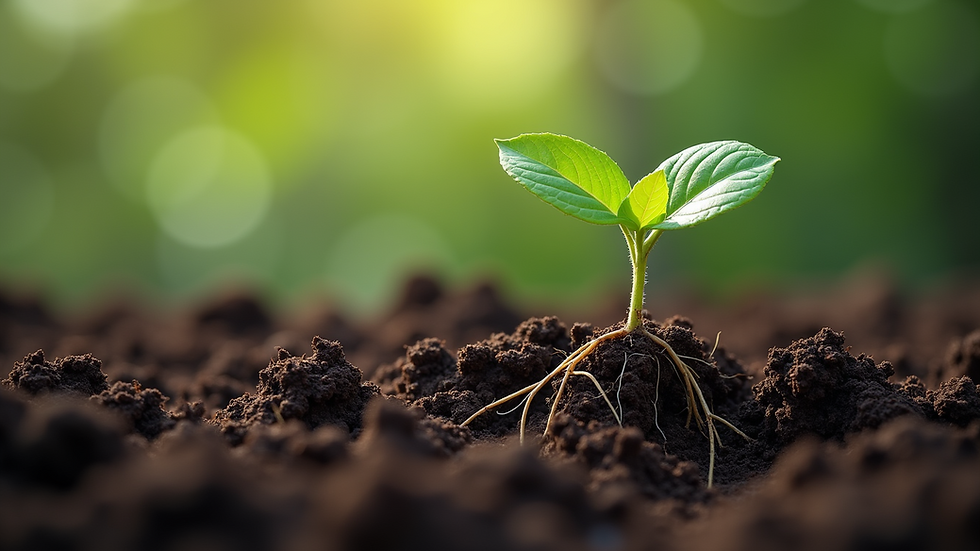
The journey toward sustainable farming begins with understanding soil health. By recognizing its value and adopting effective practices, farmers can nurture a thriving agricultural ecosystem that benefits crops, the environment, and society as a whole.



Comments